Editable Canva Business Card #27: A Modern Design Template
First impressions in the business world are often silent conversations. Before a single word is spoken, your visual presentation has already communicated volumes about your professionalism, attention to detail, and brand personality. A business card is a physical handshake, a tangible piece of your brand identity that potential clients and partners take with them. In a stack of generic cards, a thoughtfully designed one doesn't just get noticed—it gets remembered. That's the core philosophy behind the Editable Canva Business Card #27, a template designed to bridge the gap between sleek, modern aesthetics and the practical need for personal customization.
Design Details That Speak for Themselves
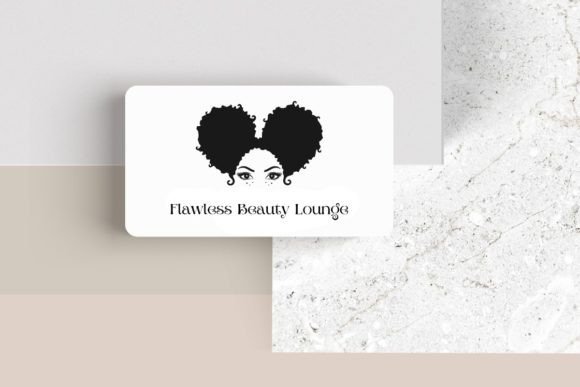
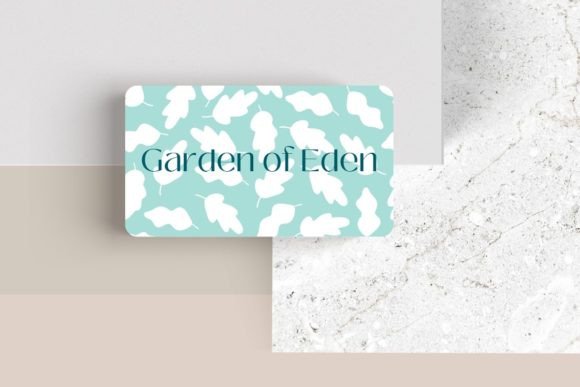
What makes this particular template stand out isn't just a single feature, but a cohesive design language. It embraces clean lines, ample white space, and a balanced layout that guides the eye naturally. The standard 3.5″ x 2″ dimensions ensure compatibility with cardholders and wallets, while the design itself feels contemporary without being trendy to the point of dating quickly. This is a template built for longevity and impact. The visual appeal lies in its restraint; it provides a structured canvas that allows your specific information to shine without competing with unnecessary decorative elements. It’s a prime example of modern typography working in service of clarity and brand storytelling.
Unleashing Your Brand's Visual Identity
The true power of an editable template is the control it gives you. You're not just filling in blanks on a pre-made card; you're co-designing it. The Editable Canva Business Card #27 allows you to customize every critical element to align with your existing brand assets. This is where the template transforms from a generic file into a core component of your brand identity system.
Consider the customization options at your fingertips:
- Typography Control: Adjust the font, font color, and size. This isn't a minor tweak; it's fundamental. Whether your brand uses a classic serif font for authority, a clean sans serif font for approachability, or a distinctive script font for elegance, you can integrate it seamlessly. This ensures your card speaks the same typographic language as your website, packaging, and social media graphics.
- Logo Integration: Add your logo with precision. Move it, resize it, and position it within the layout where it has the most impact. A poorly placed logo can undermine an otherwise great design, but with this template, you control the hierarchy.
- Layout Flexibility: The ability to move elements around is crucial. Perhaps you need more space for contact information, or you want to adjust the visual weight between your name and your title. This flexibility means the template adapts to your content, not the other way around.
- Element Expansion: Don't feel confined to the basic text boxes. You can add additional elements like a subtle background texture, a secondary brand pattern, or even a small, relevant photo that reinforces what you do. This is particularly useful for creatives, photographers, or consultants who want to showcase a hint of their work.
This level of customization ensures visual consistency across all your touchpoints. When a client receives your card and then visits your website, the consistent use of fonts, colors, and logo placement builds immediate brand recognition. It tells a cohesive story and presents you as a detail-oriented professional.
From Networking Events to Everyday Branding
While the primary function is a business card, the design principles embedded in this template have wider applications. The clean, modular layout is a fantastic starting point for other branding materials. Imagine adapting the design elements for a thank-you note insert for your packaging, a sleek pricing sheet for your services, or a consistent header for your social media graphics. The font pairings and color schemes you establish for your card can become the foundation for your entire visual ecosystem.
For the freelancer, it's a tool to project the same level of polish as a larger agency. For the entrepreneur launching a new product, it's a way to ensure every physical interaction reinforces the brand promise made online. For the content creator or blogger, it's a professional networking asset that moves beyond a digital link and becomes a physical reminder of your work and personality. The applications extend to creating cohesive marketing assets, from posters and invitations to digital product covers and editorial layouts, all anchored by the same professional typography and design sensibility.
Practical Guidance for a Polished Result
Customizing a template effectively requires a bit of strategy. Here’s some practical advice to ensure your final card is as professional as it is personalized:
- Choose Your Primary Font Wisely: Your name or business name will likely be the most prominent text. Select a typeface that embodies your brand's character. Is it authoritative, friendly, innovative, or luxurious? Test a few options from your existing brand toolkit.
- Master Font Pairing: A common and effective strategy is to pair a more distinctive display font for your name with a highly readable sans serif font for contact details. This creates contrast and hierarchy. Ensure the two fonts complement rather than clash. Canva's font suggestions can be a helpful starting point.
- Prioritize Readability Above All: A beautiful font is useless if people can't read it at a glance. Test your final design by printing a single copy or viewing it on a mobile screen at a small size. All essential information—your name, title, email, phone number—must be instantly legible.
- Respect Negative Space: Avoid the temptation to fill every corner. The white space in the Editable Canva Business Card #27 is a design feature. It gives your content room to breathe and makes the card feel sophisticated and uncluttered.
- Review Commercial Licensing: This is a critical, often overlooked step. If you are using this card for any commercial purpose—which, as a business card, you are—you must ensure the template and any additional assets you add (like specific premium fonts or stock photos) are licensed for commercial use. Reputable template providers will clarify this, but it's your responsibility to verify.
Ultimately, your business card is a microcosm of your brand. The Editable Canva Business Card #27 provides a robust, visually appealing framework. By thoughtfully applying your own brand's typography, colors, and assets, you move beyond using a template and begin to craft a powerful, personalized brand identity tool. It’s about taking a professional foundation and making it authentically yours, ensuring that every card you hand out makes the lasting impression you deserve.