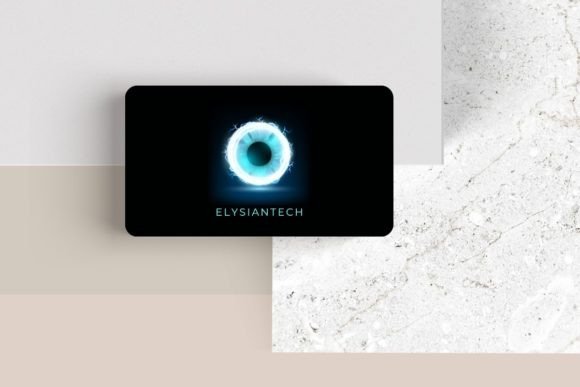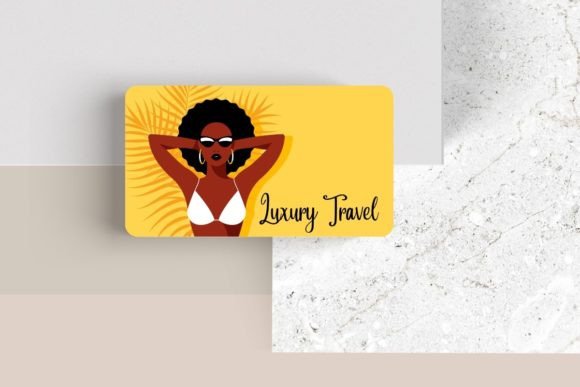
Editable Canva Business Card #46: Your Modern Branding Blueprint
That moment when you hand someone your business card and they pause—not out of obligation, but genuine interest—is powerful. It’s a silent conversation starter, a physical piece of your brand identity that can linger in a wallet or on a desk long after the initial handshake. For many of us, whether we’re freelancers navigating client meetings or small business owners building a local presence, the challenge isn’t just having a card; it’s having one that feels authentically you and professionally polished. A generic template from a print shop often falls flat, failing to capture the unique energy of your work. This is where a thoughtful, customizable design tool becomes invaluable, allowing you to craft that perfect first impression without needing a graphic design degree.
More Than a Template: A Flexible Design System
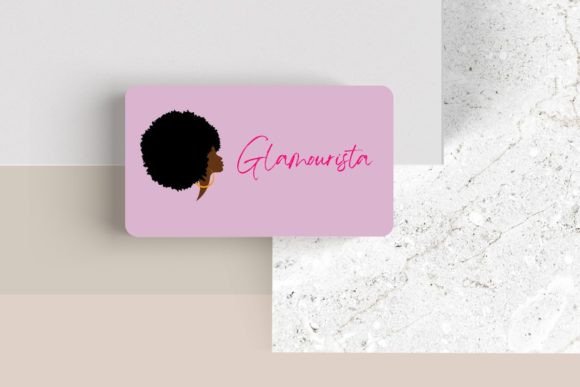
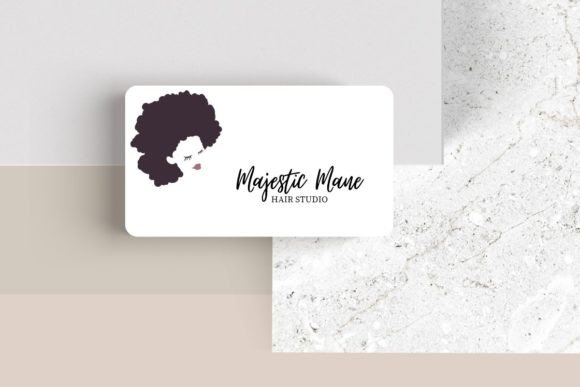
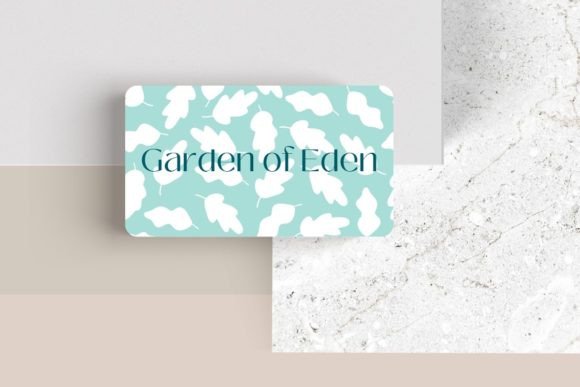
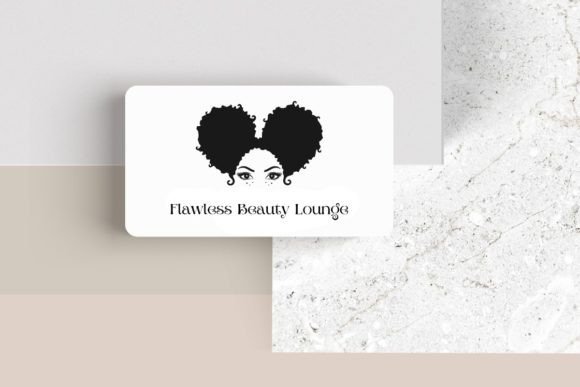
Editable Canva Business Card #46 isn't just a static file to download. Think of it as a foundational design system for your personal brand. Its sleek, modern layout provides a clean canvas, but its true value lies in the deep customization it offers. You're not locked into a single aesthetic. The design’s strength is its adaptability—it can be dressed up for a corporate consultant or made more vibrant for a creative studio. The core appeal is that you direct the final look, ensuring the card communicates the right tone from the very first glance. This level of control is crucial for maintaining visual consistency across all your touchpoints, from your website to your social media graphics.
The practical details are designed for real-world use. The standard 3.5″ x 2″ size ensures it fits perfectly into any cardholder or wallet. The customization options are where you bring it to life:
- Typography Control: Adjust font, font color, and size to match your brand’s voice. A sophisticated serif font can convey tradition and trust, while a clean sans serif feels contemporary and approachable.
- Brand Integration: Easily add your logo, the cornerstone of your visual identity. Position it for maximum impact without cluttering the design.
- Layout Flexibility: Move elements around to create a hierarchy that guides the viewer’s eye. Emphasize your name, your title, or your website in a way that feels intuitive.
- Enhanced Personalization: Go beyond text by adding additional elements like subtle background textures, relevant icons, or even a professional headshot if it suits your industry.
This isn’t about starting from scratch; it’s about starting from a professional, well-balanced foundation and tailoring it until it feels uniquely yours. It’s a practical solution for anyone who understands that their business card is a key piece of their overall brand identity.
Practical Applications for Entrepreneurs and Creatives
While its primary function is clear, the design principles within Editable Canva Business Card #46 have broader applications. The same attention to layout, typography, and visual balance that makes a great business card also informs other critical areas of your marketing and branding.
Consider how you might use this design thinking elsewhere:
- Social Media Graphics: Use the same font pairings and color scheme to create cohesive Instagram stories or LinkedIn banners. This reinforces brand recognition every time someone interacts with your content.
- Digital Products & Marketing Assets: The clean, modern aesthetic translates well to PDF guides, workshop handouts, or email newsletter headers, creating a professional look for all your digital materials.
- Invitations & Editorial Layouts: If you host events or contribute to blogs, the typographic choices and layout structure can help design elegant digital invitations or clean, readable blog post graphics.
- Packaging & Merchandise: For product-based businesses, the design elements can inspire minimalist packaging labels or simple merchandise graphics that feel upscale and intentional.
By mastering the customization of your business card, you’re essentially practicing core design skills—font pairing, color theory, and visual hierarchy—that apply to nearly every visual project you undertake. It’s a hands-on way to develop your eye for modern typography and layout.
Choosing Your Style: From Serif to Script
The fonts you select during customization do more than just display information; they set a mood. The template’s flexibility allows you to experiment with different typeface families to find the perfect match for your brand’s personality.
Are you a law firm or a financial advisor? You might lean towards a classic serif font for your name, which conveys stability, tradition, and authority. Pair it with a simple sans serif for contact details to keep it readable. If you’re a tech startup or a modern consultancy, a geometric sans serif font might be the better choice, projecting innovation, clarity, and forward-thinking energy.
For those in creative fields—photographers, artists, boutique agencies—a script font or a handwritten font could add a personal, artisanal touch. The key is restraint. Use these more decorative fonts for your name or a tagline, not for your phone number or email. Always prioritize readability. Test your chosen fonts at the actual print size to ensure every detail is legible. A beautiful font is useless if a potential client can’t decipher your contact information.
Beyond the Card: Building a Cohesive Visual Language
The ultimate goal of customizing Editable Canva Business Card #46 is to create a single, powerful piece of a much larger puzzle: your brand identity. When your business card, website, social media profiles, and any print materials all share a consistent visual language—using the same fonts, colors, and stylistic approach—you build strong brand recognition. People start to associate that specific look and feel with your business and the quality of your work.
This consistency is what separates amateur efforts from professional presentations. It tells your audience that you pay attention to details, which often translates to the care you put into your services or products. Before finalizing your design, print a test batch. Hold the card in your hand. Does the color look right on paper? Does the texture feel appropriate? Show it to a few trusted peers and ask for their first impression. This practical feedback loop is invaluable for refining your design assets.
Remember to consider the practical side of licensing. While Canva provides a vast library of fonts and elements for personal and commercial use within their platform, always double-check the specific license for any premium font or graphic you choose to incorporate. Ensuring you have the right to use all design elements commercially protects your business and respects the work of other creators.
In the end, a business card is a tiny ambassador for your brand. Investing the time to thoughtfully customize a template like this one transforms it from a mere contact slip into a deliberate statement of your professionalism, creativity, and attention to detail. It’s a small investment of time that can make a significant difference in how you’re perceived in the competitive landscape of networking and client acquisition. Start with a strong foundation, experiment with confidence, and let your card tell your brand’s story before you even say a word.